137 Holiday Spending Statistics, From Valentine’s Day to New Year’s Eve


The phrase “don’t spend it all in one place” can ring true with money. But if you’re looking for a place for holiday spending statistics, you’ve come to the right spot.
We’ve highlighted LendingTree surveys and scoured the best available external resources to bring you this holiday spending statistics page.

18 Valentine’s Day spending statistics
- 81% of Americans in relationships planned to buy Valentine’s Day gifts for their significant others in 2026. (LendingTree)
- These Americans in relationships planned to spend an average of $132 on their significant others for Valentine’s Day in 2026, down significantly from $179 in 2025. (LendingTree)
- Men in relationships expected to spend more than twice as much on their valentines in 2026 than women — $181 versus $84. (LendingTree)
- Among age groups, millennials in relationships planned to spend the most on their significant others for Valentine’s Day in 2026, shelling out an average of $192. Gen Zers ($144), Gen Xers ($89) and baby boomers ($71) followed. (LendingTree)
- 25% of consumers in relationships said they might take on credit card debt due to Valentine’s Day spending in 2026. (LendingTree)
- 22% in relationships hoped their partners would gift them chocolate or candy in 2026. More — 30% — were going to dole it out. (LendingTree)
- Valentine’s Day chocolate was 11.8% more expensive in 2026 than in 2025, according to an analysis of 39 popular products. (LendingTree)
- Valentine’s Day jewelry was 7.9% more expensive in 2026 than in the year prior, according to an analysis of 16 popular items. (LendingTree)
- 65% of Americans expected to celebrate Valentine’s Day in 2026. That’s fifth-highest among the 14 holidays tracked. (Numerator)
- 13% of celebrators typically prepare more than three months before Valentine’s Day. Another 14% prepare only one to two days in advance. (Numerator)
- 52% of Valentine’s Day 2026 celebrators expected to celebrate with their spouse, partner or family. (Numerator)
- 50% of spenders planned to buy Valentine’s Day 2026 gifts at Walmart — the highest among the choices. Amazon (35%) and Target (25%) followed. Meanwhile, low-income shoppers were significantly more likely to shop at Dollar Tree and Dollar General than other income groups. (Numerator)
- 79% of holiday shoppers believed rising prices would affect their Valentine’s Day shopping in 2026. (Numerator)
- Consumers were expected to spend a record $29.1 billion on Valentine’s Day in 2026, up from $27.5 billion in 2025. (National Retail Federation)
- Consumers were expected to spend $14.5 billion on their significant others this Valentine’s Day. (National Retail Federation)
- 58 million pounds of chocolate are purchased during Valentine’s Day week. (CandyStore.com)
- About 145 million Valentine’s Day cards are exchanged every year, making it the second-largest holiday for doing so. (Hallmark)
- 28% of Gen Zers and millennials planned to celebrate Galentine’s Day in 2026. That’s the highest by generation, with 23% of Gen Xers and 13% of baby boomers celebrating the pre-Valentine’s holiday for female friendship. (Numerator)
The oldest known valentine still in existence is a poem written in 1415. The poem is part of a manuscript collection in London. (History)
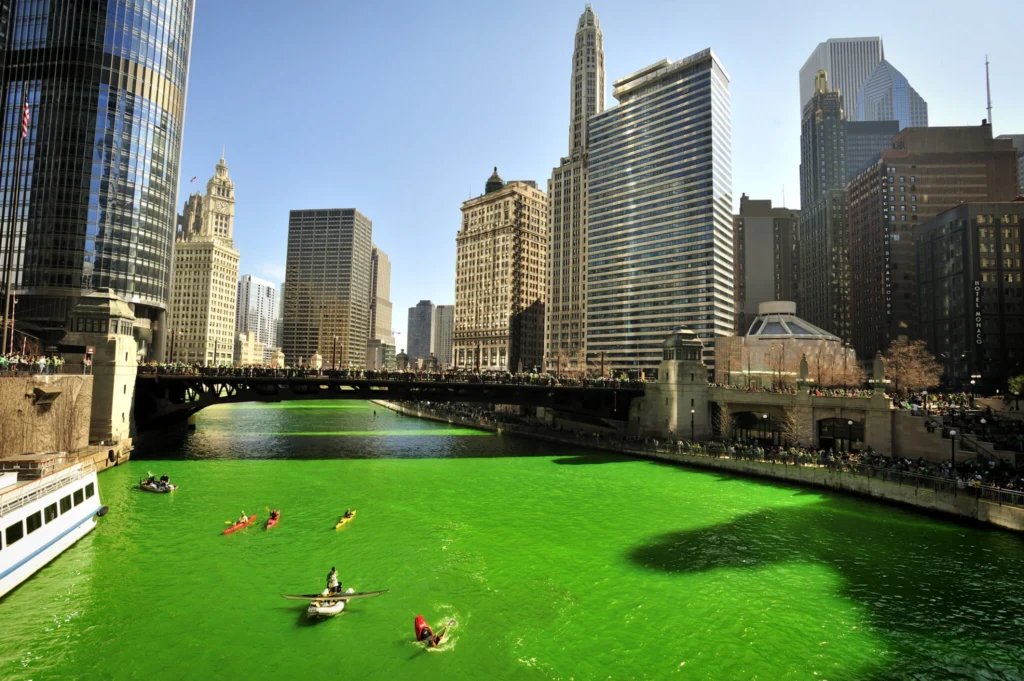
8 St. Patrick’s Day spending statistics
- Just 36% of Americans planned to celebrate St. Patrick’s Day in 2026 — the third-lowest among 14 tracked holidays. (Numerator)
- 26% of celebrators prepare just one to two days before St. Patrick’s Day — the second-highest among those same tracked holidays. (Numerator)
- 25% of shoppers expected to spend more than $100 on St. Patrick’s Day in 2026 — the lowest in this price range across the tracked holidays. (Numerator)
- 40% of celebrators expected to dress up in themed attire or costumes for the 2026 holiday. (Numerator)
- 46% of St. Patrick’s Day 2026 celebrators planned to buy alcohol, with beer being the most popular choice (58%) for drinkers — specifically Irish beers like Guinness or Smithwick’s. (Numerator)
- 70% of holiday shoppers believed rising prices would affect their St. Patrick’s Day shopping in 2026 — the lowest among the 14 holidays tracked. (Numerator)
- Total spending on St. Patrick’s Day in 2026 was expected to be $7.7 billion — the highest on record. That’s up from $7.0 billion in 2025, $7.2 billion in 2024, $6.9 billion in 2023, $5.9 billion in 2022 and $5.1 billion in 2021. (National Retail Federation)
- Households expected to spend an average of $47.45 on St. Patrick’s Day in 2026, up from $43.64 in 2025, $44.40 in 2024 and $43.84 in 2023. (National Retail Federation)
- The metros with the largest share of the population identifying as having Irish ancestry are Boston, Providence, R.I., and Pittsburgh. (LendingTree)
- Hallmark started making cards for St. Patrick’s Day in the early 1920s. (Hallmark)

10 Easter spending statistics
- 73% of Americans planned to celebrate Easter in 2026 — the fourth-highest among 14 tracked holidays. (Numerator)
- 47% of celebrators prepare one to two weeks in advance for Easter — tied for the fourth-highest in this category among the tracked holidays. Another 33% prepare one to two months in advance. (Numerator)
- 42% of Easter 2026 celebrators planned to cook or bake at home. Meanwhile, 40% planned to color Easter eggs and/or egg hunt. (Numerator)
- 81% of holiday shoppers believed rising prices would affect their Easter shopping in 2026 — tying for the fourth-highest among the holidays tracked. (Numerator)
- Easter spending was expected to reach $24.9 billion in 2026, up from $23.6 billion in 2025 and $22.4 billion in 2024. (National Retail Federation)
- Average per-person spending for Easter 2026 was expected to be $196, up from $189 in 2025 and $177 in 2024. (National Retail Federation)
- The top expected spending categories were food ($7.5 billion), gifts ($3.9 billion), clothing ($3.7 billion), candy ($3.5 billion) and flowers ($2.2 billion). (National Retail Federation)
- Easter is the seventh top-selling week for U.S. retail, with a typical average weekly sales bump of 4%. (NIQ)
- Easter is the top holiday for milk chocolate sales — ahead of Valentine’s Day and Halloween. (NIQ)
- The average price of a dozen eggs in March 2026 dropped to $2.35 from $6.23 in March 2025 — a 62.3% decrease. (Bureau of Labor Statistics)
25% of Americans who celebrate Easter aren’t religious. (NIQ)

13 Mother’s Day spending statistics
- 75% of Americans plan to celebrate Mother’s Day in 2026. (Numerator)
- 26% of celebrators will grill or barbecue, 25% will bake special treats or cook a special meal and 12% will participate in family or religious traditions. (Numerator)
- 38% of Mother’s Day 2026 celebrators say the holiday brings more joy than stress, but another 34% say it brings equal parts joy and stress. (Numerator)
- 45% of celebrators will shop at Walmart for Mother’s Day 2026, with Amazon (38%) and Target (20%) following. (Numerator)
- 39% expect to spend $100 or more for Mother’s Day 2026. Meanwhile, 33% expect to spend less than $50. (Numerator)
- 71% of Americans planned to give gifts for Mother’s Day in 2025. Moms (42%) were the top gift target, ahead of spouses/partners (17%). (LendingTree)
- Gifters planned to spend an average of $148 on Mother’s Day presents. By demographic, parents with kids under 18 planned to spend the most ($216, on average). (LendingTree)
- 56% who planned to give gifts in 2025 said inflation and the current economy were impacting how much they could spend on presents. Additionally, 38% said they’d spend less because of tariffs. (LendingTree)
- 62% of Americans spend more on Mother’s Day than Father’s Day. (LendingTree)
- Consumers plan to spend $38 billion on Mother’s Day in 2026, or $284 a person. Both are records for the holiday. (National Retail Federation)
- Consumers are expected to spend $7.5 billion on jewelry, $6.4 billion on special outings and $4.4 billion on electronics for Mother’s Day 2026. (National Retail Federation)
- Mother’s Day accounts for 26% of flower shop holiday transactions. (Society of American Florists)
- Mother’s Day is the third-biggest U.S. card-sending holiday, as 113 million cards are exchanged yearly. (Hallmark)
11 Memorial Day spending statistics
- 49% of people plan to celebrate Memorial Day in 2026. (Numerator)
- 56% of celebrators expect to enjoy the holiday at home for Memorial Day in 2026. (Numerator)
- 81% of Memorial Day 2026 celebrators plan to purchase food. Alcoholic beverages follow at 44%. (Numerator)
- 78% of holiday shoppers believe rising prices will affect their Memorial Day shopping in 2026. (Numerator)
- 45.1 million Americans were expected to travel 50 miles or more from home for the 2025 Memorial Day weekend — tracked as Thursday through Monday. (AAA)
- 39.4 million Americans were expected to drive to their destinations during the 2025 Memorial Day weekend, up from 38.2 million in 2024. (AAA)
- Top domestic hot spots for Memorial Day weekend include Orlando, Seattle and New York City. (AAA)
- 21 million passengers were expected to fly out of U.S. airports during the 2025 Memorial Day weekend (Thursday to Tuesday). (Hopper)
- Average domestic airfare was $258 for the 2025 Memorial Day weekend, up slightly from $256 in 2024. (Hopper)
- Car rental prices for the extended 2025 weekend were expected to average $443 a day, in line with the same period in 2024. (Hopper)
- From Memorial Day to Labor Day, Americans consume 7 billion hot dogs, which translates to 818 hot dogs a second. (National Hot Dog and Sausage Council)
- Memorial Day was originally called Decoration Day. (U.S. Census Bureau)
- Memorial Day didn’t become a federal holiday until 1971. (U.S. Census Bureau)

10 Father’s Day spending statistics
- 64% of consumers plan to celebrate Father’s Day in 2026. (Numerator)
- 26% of celebrators expect to celebrate Father’s Day in 2026 at a family member or friend’s home — three percentage points below the 29% who expect to get together at others’ homes for Mother’s Day. (Numerator)
- 41% of celebrators expect to spend more than $100 on Father’s Day this year — similar to the 42% who said the same for Mother’s Day. (Numerator)
- 73% of holiday shoppers believe rising prices will affect their Father’s Day shopping in 2026. (Numerator)
- Consumers expected to spend a record $24.0 billion to celebrate Father’s Day in 2025, up from $22.4 billion in 2024. (National Retail Federation)
- Spending per person was expected to reach $199 in 2025, up from $190 in 2024 and $196 in 2023. (National Retail Federation)
- The top Father’s Day gifts in 2025 were expected to be greeting cards (58%), clothing (55%), special outings (53%), gift cards (50%) and personal care items (33%). (National Retail Federation)
- 41% of people expected to shop online for Father’s Day 2025, while 35% preferred shopping at department stores, 23% at discount stores and 22% at specialty stores. (National Retail Federation)
- Father’s Day is the fourth-largest holiday for sending cards in the U.S., at 72 million annually. (Hallmark)
- 50% of Father’s Day cards are for dads, while nearly 20% are for husbands. (Hallmark)
There are about 72 million fathers in the U.S., with 29 million of them also being grandfathers. (U.S. Census Bureau)

9 Fourth of July spending statistics
- 70% of Americans plan to celebrate the Fourth of July in 2026. (Numerator)
- 48% of celebrators prepare one to two weeks before the Fourth of July — tied for the second-highest in this range among the 14 tracked holidays. (Numerator)
- 83% of Fourth of July 2026 celebrators expect to buy food — tied for the second-highest among the tracked holidays. (Numerator)
- 79% of holiday shoppers believe rising prices will affect their Fourth of July shopping in 2026. (Numerator)
- Americans expected to spend an average of $92.44 on July Fourth in 2025. (National Retail Federation)
- Americans expected to spend $8.9 billion on the Fourth of July in 2025, down from $9.4 billion in 2024 and $9.5 billion in 2023. (National Retail Federation)
- A record 72.2 million Americans were expected to travel 50 miles or more from their homes on the Independence Day 2025 weekend. (AAA)
- 5.8 million Americans were expected to travel by airplane for the 2025 Fourth of July weekend. (AAA)
- On July Fourth, Americans consume an estimated 150 million hot dogs. (National Hot Dog and Sausage Council)
Macy’s Fourth of July fireworks display in New York City uses 55 times more fireworks than the average show in the U.S. (Baruch College)
7 Labor Day spending statistics
- 41% of Americans plan to celebrate Labor Day in 2026 — the fourth-lowest across the 14 tracked holidays. (Numerator)
- 25% of celebrators plan to drive within three hours from home to celebrate Labor Day, the second-highest by holiday. (Numerator)
- 60% of celebrators plan to spend Labor Day at home this year. (Numerator)
- 31% of Labor Day 2026 celebrators expect to spend less than $50 on their celebrations. (Numerator)
- 83% of celebrators expect to buy food for Labor Day this year — tied with the Fourth of July as the second-highest. (Numerator)
- 80% of holiday shoppers believe rising prices will affect their Labor Day shopping in 2026. (Numerator)
- The top domestic Labor Day destinations are Seattle, Orlando, Fla., and New York. (AAA)
The Labor Day holiday was first celebrated in September 1882 in New York City. (U.S. Department of Labor)
13 Halloween spending statistics
- 62% of consumers plan to celebrate Halloween in 2026. (Numerator)
- 50% of celebrators plan one to two months in advance of Halloween — the highest in this range among the 14 tracked categories. (Numerator)
- Just 29% of celebrators plan to spend less than $50 on the holiday, with 43% spending more than $100. (Numerator)
- 85% of holiday shoppers believe rising prices will affect their Halloween shopping in 2026 — the second-highest among the holidays tracked. (Numerator)
- Americans who celebrated Halloween were expected to spend an average of $192 in 2025, up from $172 in 2023. (LendingTree)
- The most common purchases for Halloween 2025 were expected to be candy (60%), pumpkins and/or carving supplies (35%), and outdoor decorations (34%). (LendingTree)
- 31% of Halloween celebrators have gone into debt while overspending on Halloween, including 25% who expected to do so in 2025. (LendingTree)
- 61% of spenders expected to forego Halloween 2025 purchases due to economic uncertainty. (LendingTree)
- Total projected spending for Halloween 2025 was a record $13.1 billion. (National Retail Federation)
- $4.3 billion was expected to be spent for Halloween 2025 on costumes, $4.2 billion on decorations, $3.9 billion on candy and $700 million on greeting cards. (National Retail Federation)
- Witch, vampire, pirate, cat and Batman were adults’ most popular costume choices for Halloween 2025. (National Retail Federation)
- The top costume picks for kids in 2025 were Spider-Man, princess, witch and ghost. (National Retail Federation)
- Americans exchange about 20 million Halloween cards each year. (Hallmark)
Halloween is behind New Year’s Eve and Super Bowl Sunday as the third-biggest U.S. party day. (Hallmark)
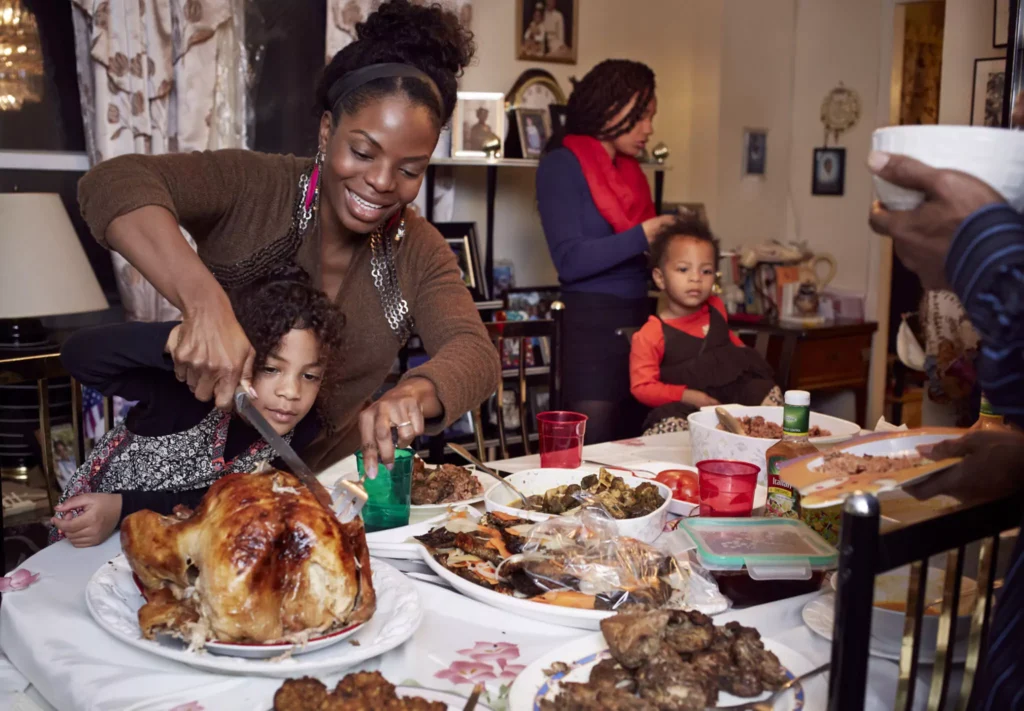
15 Thanksgiving spending statistics
- 87% of consumers plan to celebrate Thanksgiving in 2026 — the second-highest among 14 tracked holidays behind Christmas. (Numerator)
- 9% of celebrators plan more than three months in advance for Thanksgiving. (Numerator)
- 46% of Thanksgiving 2026 celebrators plan to do so at a friend’s or family member’s home — tying for the highest by holiday. (Numerator)
- 86% of Thanksgiving 2026 celebrators plan to purchase food, while 32% expect to buy alcohol. (Numerator)
- 56% of spenders plan to spend more than $100 on Thanksgiving 2026 — the second-highest across the tracked holidays. (Numerator)
- 84% of holiday shoppers believe rising prices would affect their Thanksgiving shopping in 2026 — the third-highest among the holidays tracked. (Numerator)
- Potential Thanksgiving hosts planned to spend an average of $487 in 2025 — up from $431 in 2024. (LendingTree)
- Potential six-figure hosts planned to spend the most — $633 — on Thanksgiving 2025, followed by millennials ($594) and parents with kids under 18 ($590). (LendingTree)
- 59% of Americans intended to be hosts for Thanksgiving in 2025. (LendingTree)
- 42% of potential hosts planned to use a credit card to cover some of their Thanksgiving 2025 expenses. (LendingTree)
- 60% of Thanksgiving celebrators claimed that inflation would impact their budget or plans in 2025. (LendingTree)
- In 2025, shoppers collectively spent $44.2 billion online during “Cyber Week” (Thanksgiving to Cyber Monday). (Adobe)
- A record 202.9 million consumers went shopping over the Thanksgiving holiday weekend in 2025, up from $197.0 million in 2024 and 200.4 million in 2023. (National Retail Federation)
- On Thanksgiving 2025, Americans were expected to waste nearly 320 million pounds of food. (ReFed)
- 16 million Thanksgiving cards are exchanged each year. (Hallmark)

17 winter holidays spending statistics
- 90% of consumers plan to celebrate Christmas in 2026 — the highest among the 14 tracked holidays. (Numerator)
- 37% of celebrators plan more than three months in advance for Christmas — the highest among the tracked holidays. (Numerator)
- 46% of Christmas 2026 celebrators plan to do so at a friend’s or family member’s house — tying for the highest among the tracked holidays. (Numerator)
- 76% of Christmas 2026 celebrators plan to purchase food, while 57% expect to buy gifts. (Numerator)
- 88% of holiday shoppers believe rising prices will affect their Christmas shopping in 2026 — the highest among the holidays tracked. (Numerator)
- 84% of spenders plan to spend more than $100 on Christmas 2026, while 10% expect to spend $50 to $100 and 6% plan to spend less than that. (Numerator)
- 5% of consumers plan to celebrate Hanukkah in 2026. (Numerator)
- 24% of celebrators plan more than three months in advance for Hanukkah. (Numerator)
- 42% of Hanukkah 2026 celebrators plan to celebrate at a friend’s or family member’s house. (Numerator)
- 60% of Hanukkah 2026 celebrators plan to purchase food, while 35% expect to buy decorations. (Numerator)
- 54% of spenders plan to spend more than $100 on Hanukkah 2026, while 22% expect to spend less than $50 and 23% plan to spend $50 to $100. (Numerator)
- Retail spending drops 22.4% between December and January. (LendingTree)
- The amount of holiday debt taken on by Americans who accumulated it in 2025 averaged $1,223, up from $1,181 in 2024. (LendingTree)
- 63% of consumers accumulating holiday debt in 2025 expected to take three months or more to pay it off. (LendingTree)
- 62% of these consumers said their debt came, at least partly, from credit cards. Meanwhile, 35% said it came from buy now, pay later (BNPL) loans and 32% from store credit cards. (LendingTree)
- During the 2025 holiday season from Nov. 1 through Dec. 24, retail sales increased 3.9%. (Mastercard)
- Total holiday season online spending in November and December totaled $257.8 billion in 2025. (Adobe)
Kwanzaa was created in 1966. The name was derived from the Swahili phrase “matunda ya kwanza,” meaning “first fruits.” (National Museum of African American History and Culture)

6 New Year’s Eve spending statistics
- 67% of consumers plan to celebrate New Year’s Eve at the end of 2026. (Numerator)
- 10% of celebrators plan more than three months in advance. (Numerator)
- 38% of New Year’s Eve 2026 celebrators plan to do so at a friend’s or family member’s home. (Numerator)
- 78% of New Year’s Eve 2026 celebrators plan to purchase food, while 52% expect to buy alcohol. (Numerator)
- 32% of shoppers plan to spend less than $50 on New Year’s Eve 2026, while 26% expect to spend $50 to $100 and 42% plan to spend more than $100. (Numerator)
- 78% of holiday shoppers believe rising prices will affect their New Year’s Eve shopping in 2026. (Numerator)
- Hallmark made its first New Year’s cards in 1915. (Hallmark)
- The Romans first observed New Year’s in 153 B.C. (Hallmark)
Sources
- LendingTree
- Numerator
- National Retail Federation
- CandyStore.com
- Hallmark
- History
- NIQ
- Bureau of Labor Statistics
- Society of American Florists
- U.S. Census Bureau
- AAA
- Hopper
- National Hot Dog and Sausage Council
- Baruch College
- U.S. Department of Labor
- Adobe
- ReFed
- Mastercard
- National Museum of African American History and Culture
Get debt consolidation loan offers from up to 5 lenders in minutes